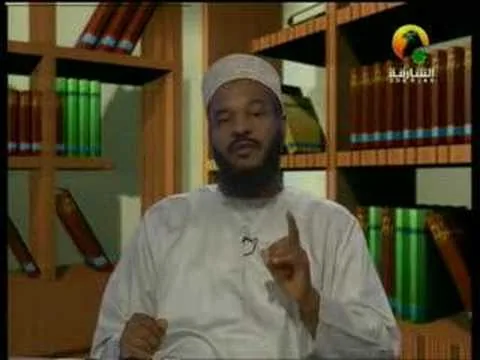
In this Q&A episode from the series “In the Light of Islam,” Dr. Bilal Philips addresses a range of practical everyday questions that Muslims face — from hair dye and fashion to career guidance for women. While these may seem like minor topics, they touch on a fundamental Islamic principle: every aspect of a Muslim’s life should be guided by authentic sources rather than cultural trends or Western fashion standards.
Navigating Modern Life with Islamic Guidance
Dr. Bilal Philips explains that the Prophet Muhammad (peace be upon him) recommended dyeing gray hair to maintain a youthful appearance for the Muslim ummah, but the modern practice of constantly changing hair colors to follow fashion trends has no basis in Islam. Similarly, colored contact lenses purchased purely to conform to Western beauty standards (blonde hair, blue eyes) represent an unhealthy cultural imitation rather than a genuine need.
“Why do you want blue eyes? Because blue eyes have been promoted in the media as a standard of beauty. A minority of human beings have this description, but so many people are artificially dying their hair blonde and getting blue contact lenses to fit into that picture. This is an addiction to a culture that is not Islamic.”
Practical Rulings Discussed
- Hair dye: Dyeing gray hair is recommended; black dye is specifically prohibited by the Prophet; constantly changing colors for fashion is discouraged
- Drawing and art: Drawing human beings and animals is not permitted in Islam, though landscapes and plants are acceptable
- Women’s careers: A career is permissible as long as the job description does not require improper interaction between genders; the job’s circumstances determine its acceptability
- Women staying home: A woman who chooses to stay home and educate herself about her religion and child-rearing is making a noble and valuable choice
“The Prophet said: ‘Whoever imitates the way of a people is of them.’ We must beware that we do not become so influenced by Western culture that our whole values change. Islam has its own standards of beauty, conduct, and purpose.”
These practical Q&A sessions are invaluable for Muslims seeking to align every aspect of their daily lives with authentic Islamic guidance, rather than following cultural trends that have no basis in the Quran or Sunnah.