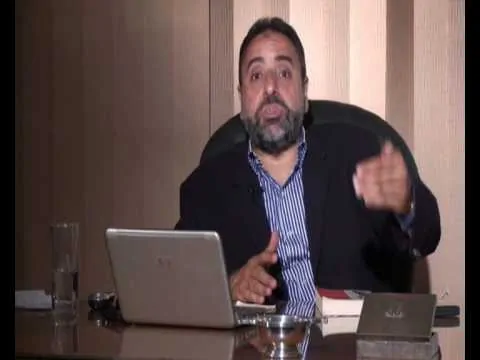
In Part 3 of the Bridges Foundation’s official response to the propaganda film “Obsession,” director Fadel Soliman continues to dismantle the film’s misleading claims with logic, evidence, and authentic Islamic scholarship. This segment addresses the comparison of Islam to Nazism, the phenomenon of suicide bombing, and the true meaning of “holy war” — demonstrating that the film’s narrative relies on distortion rather than honest engagement with Islamic teachings.
Islam and Nazism: An Impossible Comparison
Calling someone an “Islamo-fascist” is an oxymoron, like saying someone is a “capitalist communist.” Islam’s foundational narrative explicitly condemns racism: the very first sin recorded in Islamic theology was Satan’s refusal to bow to Adam out of racial arrogance, declaring “I am better than him.” God’s response was immediate expulsion — racists have no place in Paradise. The film’s attempt to link Islam with Nazism by showing historical photos of political figures meeting Hitler ignores the political context entirely and misrepresents political maneuvering as religious ideology.
“In Islam, the very first sin was racism. Satan said: ‘I am better than him — You created me from fire and him from clay.’ God told Satan: ‘Get out from here. You cannot be a racist in Paradise.’ Racists have no place in Paradise according to Islam.”
Suicide Bombing and the Myth of Holy War
- Robert Pape’s research in “Dying to Win” proves that suicide bombing is driven by foreign occupation, not religious ideology
- The Hindu Tamil Tigers of Sri Lanka committed as many suicide attacks as Hamas, Islamic Jihad, and Hezbollah combined
- The first suicide bombers in modern history were the Japanese kamikaze pilots, not Muslims
- The term “holy war” originates from the Crusades — in Islam, the Quran explicitly states that war is something Muslims hate
“The Quran acknowledges that Muslims hate war. God Almighty even said: ‘War has been prescribed upon you even though you hate it.’ And when a peace treaty was achieved, God called it a ‘Manifest Victory.’ What does that tell you about a religion that calls peace a victory?”
This presentation is a clear and compelling reminder that building bridges between communities requires honesty, not propaganda. Islam is a religion of justice that permits defense of the oppressed but always prioritizes peaceful means first — and anyone sincere about understanding this faith will find its teachings speak for themselves.